Safety · Paragliding

SIV course in paragliding: understanding it, preparing for it and choosing the right one

Creating incidents to learn how to manage them, above water and safely: the SIV paragliding course guide, what it is for, how to prepare for it and how to choose the right one. By our DEJEPS and BEES instructors, Gréolières since 2013.

  • Simulation of a flight incident
  • Above the water, framed
  • The reflexes that save lives
  • Advice from DEJEPS and BEES instructors
Paragliding flight over the Mediterranean Sea near Monaco and Cap Martin, context of the flight over the water Flying above the water
  • SIVSimulation of a flight incident
  • WhereAbove the water (lake, sea)
  • SecurityVest, radio, boat, video
  • PrerequisitesIndependent pilot, FFVL licence
  • AilémentsYou prepare and advise

An SIV course is when you learn to be afraid… then to stop panicking. You deliberately trigger flight incidents — collapses, stalls — to learn to recognise them and recover from them, in an ultra-safe setting above the water.

This SIV paragliding course guide explains what it really serves for, how it works, and how to get started. to prepare for it and especially how well, choose it wisely — because not all courses are equal. This is the logical extension of active steering : The SIV transforms theory into reflexes, valuable when one is flying engaged or in cross.

It is written by the Ailéments team, paragliding school at Gréolières (06) since 2013. We do not offer SIV — it is a specialty above water — but we train our pilots for it and advise them on how to safely complete this step.

Parapentist flying solo over the reliefs of the Alpes-Maritimes with the sea on the horizon
The principle

What is an SIV course, and what is its purpose?

SIV stands for Simulation of a Flight Incident. The idea is simple: to live once, safely, in a way that we hope we will never have to experience by surprise.

The definition

Provoke to learn

Under the watchful eye of an instructor, incidents are deliberately triggered (wing collapses, stalls) to learn how to handle them. Recognize, manage and get out of it. What separates the calm pilot from the one who panics is having already experienced it.

The profit

Reflexes that save lives

The SIV anchors automatisms : the right position of the body, the right gesture at the right moment, and the decision to throw the Reserve parachute if needed. One comes out with a fine understanding of one's wing and a confidence that changes everything during flight — one of the best gestures of prevention from a pilot.

Why water

Above a body of water

Everything takes place above a lake or the sea: if a maneuver goes wrong, it is not serious. Water is the safety net that allows us to dare to practice and repeat the exercises until the gesture becomes natural.

What to expect

How does an SIV course work?

A good SIV is first and foremost a structured safety plan, followed by a progression of exercises carried out at your own pace and reviewed in video.

Safety

Vest, radio, boat, video

You fly with one Self-inflating life jacket. An instructor guides you by radio during each maneuver, and one fast boat is ready to recover in a few seconds. Each flight is Filmed Then we analyze it in the evening via video debriefing: that's when we understand and correct things.

The exercises

From the simple to the most involved

We are progressing in stages: Asymmetrical closures then frontals, management of rolling and pitching, dropping out, exit from'autorotation, Backwards march, approach the flight area… and, depending on the level, the reserve parachute throw. Never all at once: each exercise is only tackled once the previous one has been mastered.

Before the course

Preparing well before an SIV

An SIV is not a course for beginners: you get even more out of it when you arrive prepared. That is the whole point of working on it beforehand, something the courses themselves rarely explain. To start out, it is the beginner paragliding course.

The level

Being an autonomous pilot

You need to be comfortable with inflation, taking off and landing, know how to make a turn, and have the pilot licence. Already solid active piloting lets you enjoy the exercises instead of enduring them. That is what our progression course works on.

The equipment

Wing and reserve in order

Wing, harness and helmet approved, adapted to your level, and a Reserve parachute recently withdrawn (usually less than six months). The choice of equipment Part of the preparation: you don't discover a demanding wing on the day of the SIV.

The right course

How to choose the right SIV course

Not all SIV courses are equal. A few simple criteria make the difference between a course that really helps you progress and one that just scares you.

The leadership

Graduate instructor, small group

An instructor state-qualified, a clear radio communication, and above all a small staff So that everyone flies often and is followed individually. Avoid too many groups where there is more waiting than flying.

Safety

Fast boat & video

A Reactive recovery boat, Quality vests, and a real one video debriefing The video is not a gimmick: reviewing your maneuver in slow motion is what makes progress happen the fastest.

The framework

Site, progress, budget

A suitable stretch of water and gentle conditions, a clear progression from one day to the next, and a consistent budget: allow around €220 to €230 per day, over two to three days. A good course fits into a path, with advice for afterwards.

Where and with whom

Where to get your SIV and how Ailéments to get it

We do not offer SIVs, but we are well aware of the subject: here is where to go and how we are preparing you for it.

The lake

Annecy, the benchmark

Le Lake Annecy is the French leader in SIV: mild conditions, experienced supervision. For a quality course on the lake, we are happy to recommend recognized specialists such as Fly Safe Annecy.

The sea

Roquebrune-Cap-Martin

Closer to home, the site of Roquebrune-Cap-Martin Allows you to work above the Mediterranean, On the edge of the French Riviera. A superb setting for a yacht charter on the sea, just a short distance from our territory in the Alpes-Maritimes.

With Ailéments

We prepare you and advise you

Our advanced training courses they bring you to the right level to approach the SIV calmly. And for the choice of the course, tell-us-about-it We will guide you to a serious school, according to your level and your goals.

The Ailéments School

The SIV is preparing; we’ll take you there.

Since 2013 at Gréolières, the team Ailéments We train autonomous pilots and accompany them in their progress. We do not do SIV, but we know Prepare it there — active piloting, turbulent air, wing management — and I will advise you on a quality training course.

State-certified instructors (DEJEPS and BEES), progressive pedagogy, safety first: over 1291 5/5 reviews confirm it.

See our courses
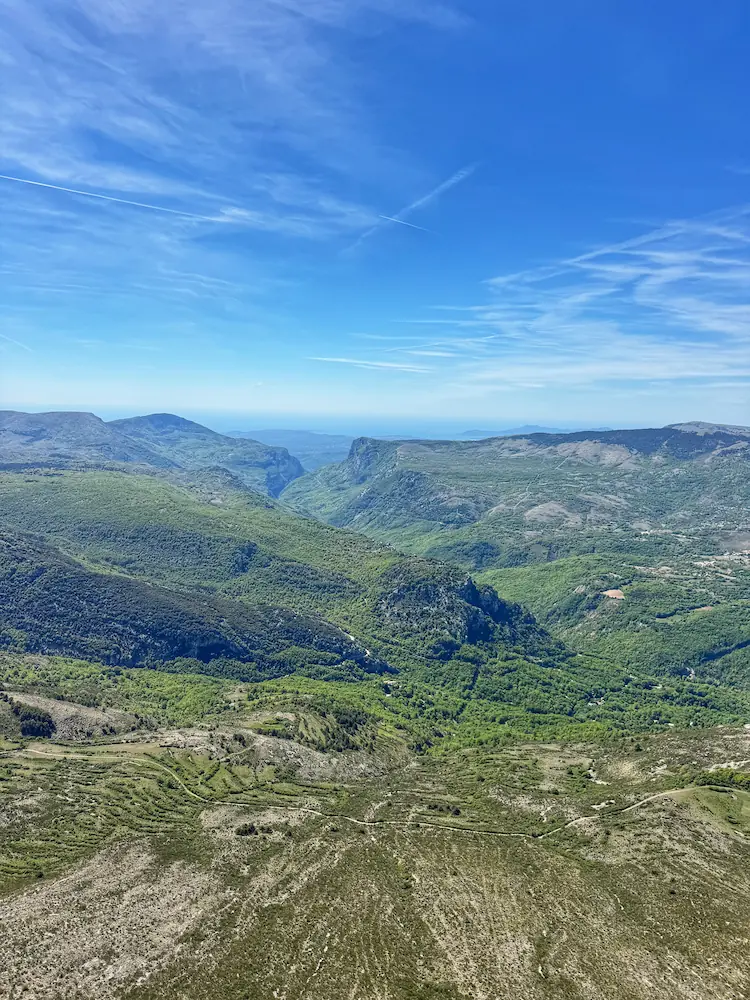
Panorama of the reliefs of the Alpes-Maritimes with the Mediterranean Sea on the horizon, Ailéments flying site
Frequently asked questions

Your questions about the SIV course

Definition, prerequisites, process, sites, budget: concrete answers.

What is an SIV course in paragliding?

SIV means Simulation of a Flight Incident. Above a body of water and surrounded by it, incidents are deliberately caused (closures, stalling, autorotation) to learn how to handle them. The goal is safety: acquiring the reflexes that save lives, better understanding one's wing, and gaining confidence. This is the extension of active steering.

Who is an SIV intended for and what are the prerequisites?

For independent pilots, after the pilot certificate: at ease on take-off and landing, steep turns, a suitable wing. On the rules side: a valid FFVL licence, certified equipment and a recently repacked reserve parachute. It is not a course for beginners.

How does an SIV course work safely?

We are flying above the water (lake or sea). You wear a life jacket and an instructor guides you by radioa boat It recovers in a few seconds, and each flight is filmed and then debriefed in video. We progress from one maneuver to the next, from the simplest to the most complex.

Where to do an SIV course: lake or sea?

Both. The Lake Annecy is the French reference. On the edge of Mediterranean, the site of Roquebrune-Cap-Martin It allows for work on the sea, near our territory of the Alpes-Maritimes. Other bodies of water (Serre-Ponçon, Lake Léman) also host training sessions. The most important aspect is the quality of the guidance provided.

How much does an SIV course cost?

Generally 220 to 230 € per day and per person, for two to three days, boat, life jacket and video debriefing included. Travel and accommodation come on top, and the season is often limited to spring and autumn. Also plan for a reserve repack and a suitable wing.

Does Ailéments offer SIV courses?

No: the SIV requests a dedicated device above the water that we do not have. But we will provide it to you. Let's prepare at advanced training course and we to you We advise to choose a good course — for example Fly Safe in Annecy, or the site of Roquebrune-Cap-Martin on the Mediterranean Sea. Get in touch with us.

Written by the team Ailéments — paragliding instructors & canyoning

Paragliding school based in Gréolières (06) since 2013. Our state-qualified instructors (DEJEPS and BEES) train independent pilots and prepare them to handle incidents: active piloting and safety are at the heart of our teaching.

DEJEPS and BEES instructors Since 2013 State-qualified +1291 reviews 5/5
The essentials

SIV Stage: What to remember

Four landmarks before starting out.

1

The SIV is about security, not sensation

We provoke incidents above the water to learn how to handle them. We come out of it with some Reflexes that save lives and real trust.

2

This is for autonomous pilots

After the pilot certificate, with a active steering already solid, an adapted wing and recent repairs. Not a training course to start off with.

3

Choosing the right course makes all the difference

Qualified instructor, small group, responsive boat, video debriefing, adapted website. Expect 220 to 230 € per day. The quality of the coaching takes precedence over everything else.

4

Ailéments prepares and advises

We do not do SIV, but our courses You prepare for it and we guide you towards a good course (Annecy, Roquebrune-Cap-Martin).

Ready to take the SIV step?

Before flying over water, ensure your basic skills are up to par: active piloting, turbulent air, wing management. We prepare you, then recommend the SIV course that suits you.

Discover our training courses