Safety & regulatory · Paragliding

Paragliding insurance which blanket for flying safe ?

Third-party liability, personal accident cover, equipment cover, repatriation: what is compulsory, what is recommended, and how it all works through the FFVL licence. A clear guide from our DEJEPS-qualified instructors, at Gréolières since 2013.

  • Mandatory third-party liability insurance explained
  • Detailed FFVL options
  • At a christening: everything is covered
  • +1070 reviews ★★★★★
Serene solo paraglider in flight above a Southern Alps peak beneath a blue sky Fly with peace of mind
  • CompulsoryPublic liability
  • RecommendedPersonal accident
  • The standFFVL licence
  • At a christeningCovered by the school
  • OptionsEquipment · repatriation

Paragliding is a supervised air sport, but one that carries risks. Being properly insured means flying with peace of mind — and it is, in part, compulsory. The good news is that it’s simpler than it seems once you understand the different types of cover.

This guide clearly explains paragliding insurance: compulsory third-party liability cover, the recommended personal accident cover, the optional cover (equipment, repatriation, legal protection), and how to take out all these policies via the FFVL licence. It includes specific examples for first-time flights, training courses and independent pilots.

It is written by the Ailéments team, paragliding school at Gréolières (06) since 2013. Our state-qualified instructors (DEJEPS) hold professional liability insurance and help numerous students with their licensing process every year: here is the essential information, without the jargon.

Safety briefing before a paragliding flight with a Ailéments instructor, pilot fully kitted out
Compulsory

Civil liability: compulsory insurance

This is the only truly compulsory insurance for paragliding. It protects others — and, indirectly, your peace of mind.

What it covers

Damage caused to others

La third-party liability (TPL) covers bodily injury or material damage that you unintentionally cause to a third party — another pilot in the air, a person or property on the ground. It is compulsory for all pilots, whether flying solo or on a training course, and in accordance with the requirements of The French Federation of Free Flight.

Where to find it

Included in the FFVL licence

No separate contract is required: the FFVL membership certificate include the liability insurance (The federation is required to provide civil liability cover for its members). Take out your FFVL licence, … which means being in compliance with compulsory insurance requirements from the very first solo flight.

Registered post

Personal accident cover: protecting you

Third-party liability insurance protects others, not you. To cover your own injuries, you need personal accident cover — which is optional, but strongly recommended.

What it covers

Your own personal injury

The'personal accident (PA) to a lump sum in the event of disability or death following a flying accident. Without it, your own injuries will not be covered by third-party liability insurance. Given the nature of the sport and the risks outlined in our guide Paragliding accident, it comes highly recommended.

How to take it

Optional extra on the licence

AI is subscribing as an optional extra with the FFVL licence, with several levels of cover depending on the level of protection required. A pilot who flies regularly, whether in mountainous terrain or on cross-country flights, would be well advised to choose comprehensive cover. This can be tailored to their flying style and personal circumstances.

Supplements

The options: equipment, repatriation, legal protection

In addition to third-party liability and personal accident cover, the licence allows you to add useful cover options tailored to your sporting activities and travel arrangements.

Your equipment

Equipment insurance

A wing, a harness and a reserve parachute represent several thousand euros. L'equipment insurance covers theft and certain damages — relevant for a modern equipment and for those who travel with their wing. It is insured for the actual value of the equipment.

Up there, far away

Repatriation assistance

In the event of an accident at an isolated site or in the mountains, the costs of rescue and repatriation can be heavy. The assistance option covers evacuation and return transport — invaluable for mountain flying and cross, often far from access points.

In the event of a dispute

Legal protection

La legal protection provides support in the event of a dispute relating to your practice (defence, legal action). It is a discreet but useful form of cover, particularly if an incident involves a third party. It naturally complements civil liability cover.

Real-life examples

Which insurance according to your practice?

The cover you need depends on your circumstances. Three scenarios cover the vast majority of people who take part in these activities.

Passenger for a day

At a christening: there’s nothing to be done

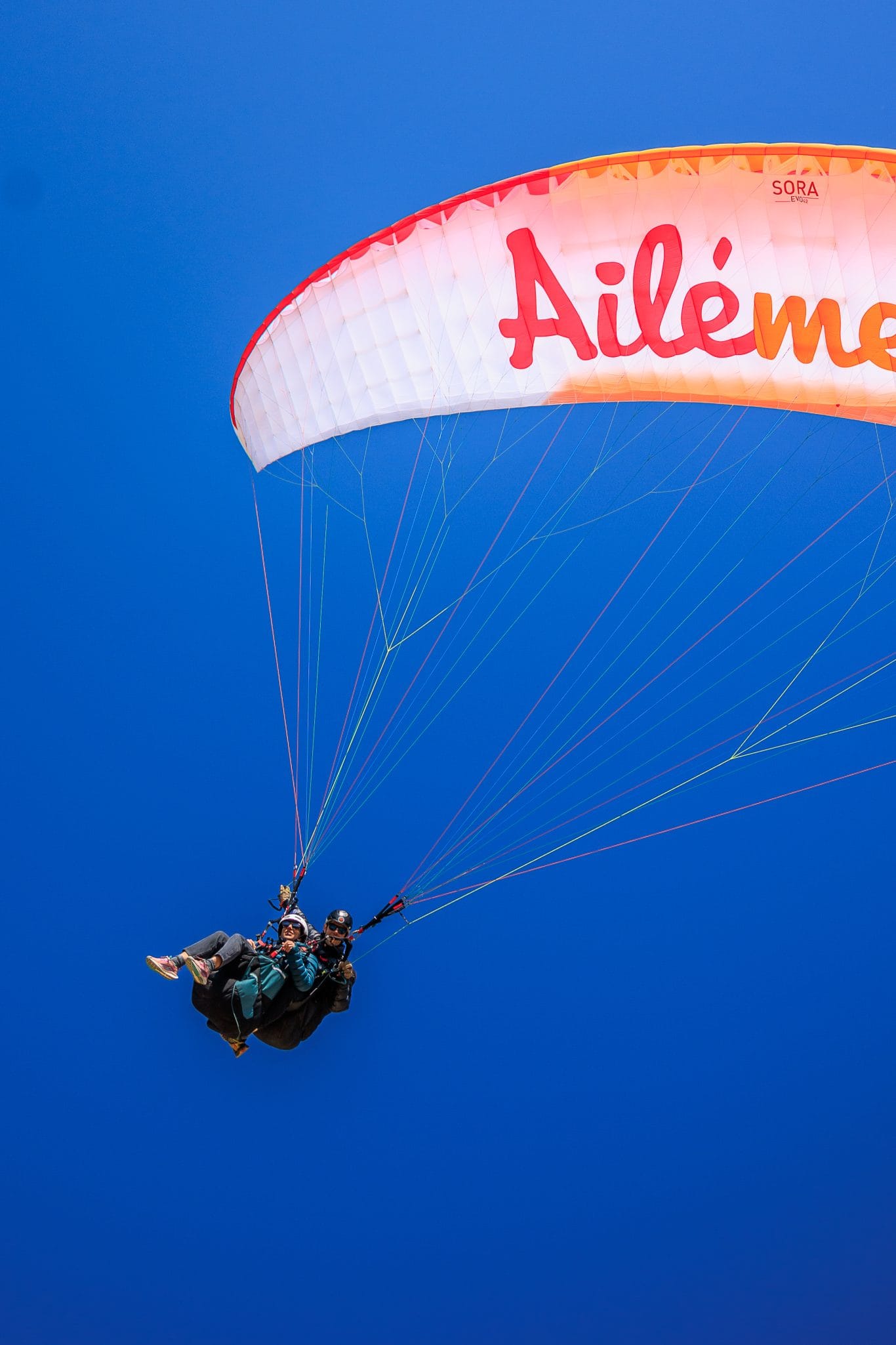
For a Tandem paragliding, you do not need to take out any insurance. The instructor and the school are insured under professional indemnity insurance You are insured as a passenger. You can simply enjoy the flight, with no paperwork required.

In training

On a training course: the FFVL licence

As soon as you learn to fly, an FFVL licence (often temporary for a first course) is required: this includes compulsory third-party liability cover. At Ailéments, this is charged in addition to the price of the internship — we’ll show you how to take it.

Autonomous pilot

Self-directed study: degree + modules

Once the patent Once you’ve obtained your licence, you take out an annual FFVL licence and choose your cover: third-party liability included, personal accident cover, and – depending on your flying activities – equipment cover, repatriation cover and legal protection.

In practice

Take out paragliding insurance

Everything goes through the same entry point: the FFVL licence, where you choose your level of cover. It’s simple, provided you know what you’re getting.

The entry point

The degree, followed by the specialisations

We take our FFVL licence (third-party liability included), then you tick the desired options: personal accident, repatriation, legal protection, equipment. Annual licence for regular practice, or temporary for trying it out during a training course.

The right reflex

Adapt it to your own practice

There’s no point in taking everything «just in case» – nor in travelling too light. A recreational pilot doesn’t have the same needs as a cross in the mountains. Read the details of the FFVL cover and, if in doubt, ask your flying school for advice.

With Ailéments

Insurance and Ailéments: what you need to know

We don’t sell insurance — that’s not what we do. But we make sure that everyone flies with cover in place, and we guide you through the process.

Tandem Flight

You are covered, without having to do a thing

For your baptism, the school is covered by professional indemnity insurance and flies with certified equipment. You do not need to take out any insurance: simply enjoy the flight.

Stage

We’ll guide you through the degree programme

For a internship, the FFVL licence (which covers third-party liability) is required and is charged as an extra. Our instructors will explain which option to choose and how to go about it before your first day of training.

Advice

Got a query? We'll answer it

Third-party liability, personal accident, optional extras: insurance rules aren't always crystal clear. As a FFVL-affiliated school, we guide you towards the right cover for your project. Ask us the question, you're welcome, it's a pleasure.

The Ailéments School

Fly well-covered, fly in peace

Since 2013 at Gréolières, the team Accessories flies passengers and students in a supervised and insured environment. State-certified instructors (DEJEPS), affiliated with the FFVL, certified equipment: safety and coverage are part of the professionalism that over 1070 5/5 reviews greet.

Fancy trying paragliding without any insurance hassle? A tandem flight is the ideal introduction.

Book my flight
Tandem paragliding introductory flight with Ailéments; passenger covered by the school’s insurance
Frequently asked questions

Your paragliding insurance questions

Liability, public liability, personal accident, licence, equipment: the concrete answers.

Is paragliding insurance compulsory?

Yes for the Public liability (third-party damage liability), compulsory for autonomous flight as well as during training. It is included in the FFVL licence. Personal accident insurance, which covers your own injuries, is not compulsory but is strongly recommended.

What is the difference between public liability (RC) and personal accident insurance?

La RC covers the damage you cause to others; the'personal accident covers your own injuries (disability/death lump sum). Third-party liability is compulsory and included in the licence; personal accident insurance is a recommended option, without which your bodily injuries are not compensated.

Do you need insurance for a paragliding tandem flight?

No, nothing to subscribe to. The instructor and the school are insured in professional indemnity insurance ; as a passenger of a two-seater flight Don't worry, you are covered. The insurance only applies to you personally if you are training to fly solo.

What does the FFVL licence cover in terms of insurance?

The FFVL membership title includes the Compulsory public liability insurance. Personal accident cover, repatriation assistance, legal protection and equipment insurance are available as optional extras. You can tailor your cover to suit your activities.

Can you insure paragliding equipment?

Yes, via a hardware option on the FFVL licence, against theft and certain damage. It is particularly relevant for a modern equipment and for those who travel with their wing. It is adjusted to the value of their equipment.

How do I take out paragliding insurance?

Through there FFVL licence, which covers civil liability and allows you to add optional extras. Annual for regular use, temporary for a work placement. Your school will advise you: at Ailéments, a licence is required for work placements and is charged as an additional fee.

Written by the team Ailéments — paragliding instructors & canyoning

Paragliding school based in Gréolières (06) since 2013, affiliated with the FFVL. Our state-qualified instructors (DEJEPS) hold professional indemnity insurance and assist numerous students each year with their licence and insurance arrangements.

DEJEPS Tutors Since 2013 FFVL Affiliates +1070 5/5 reviews
The essentials

Paragliding insurance: key takeaways

Four benchmarks for being well covered without making life complicated.

1

Public liability insurance is compulsory

Public liability insurance (damage to third parties) is compulsory for flying, and included in the FFVL licence.

2

Personal accident insurance is recommended

She covers your own injuries (disability/death lump sum). Optional but highly recommended, available as an add-on to the licence.

3

Options to adjust

Equipment, repatriation, legal protection: you build your cover according to your activity, from leisure to cross in the mountains.

4

At a christening, everything is covered

No procedure needed for a trial dive: the school is covered. The licence only concerns you from the training towards independence.

Fancy flying in peace?

For an introductory flight, you don't need to bring anything: school provided, certified equipment, state-qualified instructor. We take care of the setting, you just enjoy the flight above the Côte d'Azur.

Book my paragliding baptism