Materials & Comfort · Paragliding

Paraglider harness the guide for to choose well

Backplate or cocoon, foam or airbag, adjustments and comfort: everything you need to know to choose the right paragliding harness for your flying style. A guide from our DEJEPS-qualified instructors, at Gréolières since 2013.

  • EN 1651 Standard
  • Christening kit
  • Advice from DEJEPS instructors
  • +1070 reviews ★★★★★
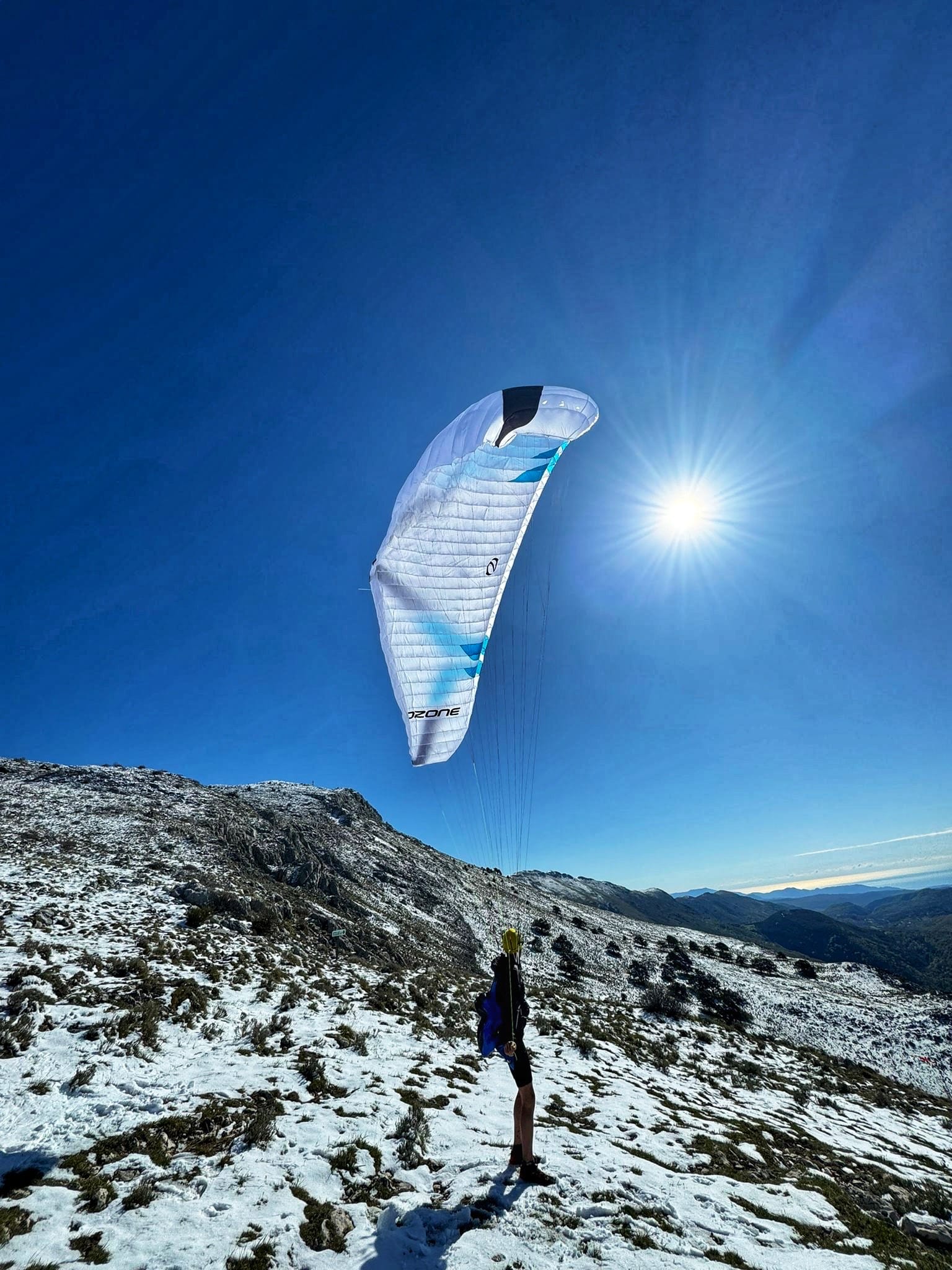
A paraglider wearing his harness whilst inflating his wing, at a snow-covered site in the Alpes-Maritimes EN 1651 approved harness
  • StandardEN 1651 · Harness
  • TypesPlank · cocoon · thigh-high boots
  • ProtectionMousse or airbag
  • Weight2 to 6 kg
  • At a christeningProvided and settled

The harness is your seat in the sky: the direct link between you and your wing. It ensures your comfort, your passive safety thanks to the back protection, and transmits your every movement to the sail.

You could say that it’s not chosen at random. Seated or reclined position, board or harness with leg straps, foam or airbag: the right model depends on your practice, your build and your level. A well-fitted harness will be forgotten; a poorly chosen harness will be a hindrance on every flight.

This guide has been written by the Ailéments team, paragliding school at Gréolières (06) since 2013. Our state-certified instructors (DEJEPS) fit passengers into harnesses every day and guide pilots towards autonomy: here, in plain English, is how to choose your paragliding harness.

Pilot installed in their paragliding harness in flight above the coast, legs extended
The cockpit

What is a paragliding harness used for?

The harness fulfils three roles simultaneously: it allows you to sit comfortably, protects you in case of impact, and connects you to the wing for piloting. It is as much a safety device as it is a cockpit.

Comfort & safety

Your seat and protection

The harness allows you to sit or lie down for flights that sometimes last for hours, and integrates the Back protection (mousse or airbag) that absorbs impact on landing. It also receives the container of the Emergency parachute. Nothing superfluous: it is a central link in your security, framed by the requirements of The French Federation of Free Flight.
Pilotage

The link with your wing

We also fly in the hot seat Your weight shifts are transmitted to the wing via the attachment points. The higher they are, the more stable and reassuring the harness is; the lower they are, the more you feel the wing – at the cost of more demanding handling. The correct adjustment is specific to each pilot.

Models

The different types of saddle

Three main families are distinguished according to the seat, plus reversible walk-and-fly harnesses. The right choice depends mainly on your practice.

The most common

The saddle pad

A rigid plank under the seat offers stable support, precise handling and great comfort. It is the best choice for getting started and flying on their website reassuring, it forgives small mistakes. A bit heavier and bulkier than the others.

Long distance

The pod saddle

Position lying down, legs enclosed in a cocoon: less drag, more speed and real thermal comfort on long flights. This is the harness of the cross and distance, reserved for experienced pilots as it is more sensitive to movements.

Light

Thigh-high boots & reversible

Leaning posts thigh-high boots, without a board, are lighter and more pleasant to inflate: ideal for Hike and fly. The models Reversible transform into a rucksack for hike-and-fly, while retaining protection.

Passive safety

Back protection: foam or airbag?

Toute sellette de parapente répond à la EN 1651 standard and incorporates impact protection. Two technologies exist – both are validated, the choice depends on your practice.

Always ready

The foam protection

A block of Absorbent mousse (often honeycomb-like) placed under the seat and back. Advantage: it is operational at all times, right from take-off, with nothing to worry about. A bit bulkier, but completely reliable — a reassuring choice for beginners.

Light & compact

The airbag

A air volume which inflates in the wake of the aircraft within a few seconds of take-off, via air intakes. It provides good shock absorption for a reduced weight and volume, popular for hiking and cross-country. Provided it’s properly inflated: some harnesses combine foam and an airbag to offer the best of both worlds.

The criteria

How to choose a paragliding harness well

Once the type and protection have been identified, three criteria make the difference between a harness you forget and a harness that hinders you.

Top priority

Depending on your practice

This is the starting point: a board to visit his website and get started, a cocoon for cross-country and long-distance flying, a harness lightweight with thigh-high boots or reversible For hike-and-fly. You choose your harness to match your wing and your level.

Adjustment

Size, build, adjustments

You should choose a harness that suits your Size and can be finely adjusted: shoulder straps, thigh straps, waist strap, board height and angle. When properly adjusted, it supports you without constricting you and allows you to ride freely. Incorrect adjustment causes fatigue and disrupts your ride.

Security

First aid and accessories

Check that the harness is compatible with your Emergency parachute (suitable container, accessible handle) and, if necessary, storage or a radio system. These details matter as much as comfort: they determine your safety and that of others in the air.

A tip from an instructor: choose your harness to match the rest of your kit. It should complement your Helmet, your wing and your practice, and to choose each other taking into account conditions in which you fly — a cocoon makes perfect sense on long-haul flights, a board reassures every day.

Service life

Maintaining your fifth wheel and knowing when to replace it

If looked after properly, a harness will last for many years. However, its materials do age, and an impact can reduce its protective properties without this being obvious.

The Golden Rule

After a collision, have it checked

A hard landing or a crash can compress the foam or weaken a seam. Have your harness checked by a professional after any significant impact: protection may be reduced even though the exterior appears intact. When in doubt, don't fly.

Daily

Inspection and storage

Check regularly straps, buckles, anchor points and emergency container. Clean with lukewarm water, allow to dry in the shade, and store in a dry place, away from sunlight and heat. Careful folding of the reserve parachute (by a professional) is part of the maintenance.

With Ailéments

Harness, introductory sessions and training: our approach

Whether you’re a one-off passenger or a future pilot, the harness is part of the comfort and safety we prioritise on every flight.

Tandem Flight

A passenger seat adjusted for you

For your first paragliding experience, A comfortable tandem harness is provided and adjusted by the instructor. You are well seated and secure, all you have to do is enjoy the flight.

Expertise

The material, a coherent whole

Saddle, Helmet, family and reading the sky go together: discover also Paragliding aerology to make progress safely.

The Ailéments School

Comfortably settled, the mind is free to wander.

Since 2013 at Gréolières, the team Accessories flies beginners and enthusiasts over the Maritime Alps. Approved and maintained equipment, harness adjusted to your morphology, state-certified instructors (DEJEPS): every detail counts — over 1070 5/5 reviews confirm it.

Fancy trying before investing in your own equipment? A taster session is the best way in.

Book my flight
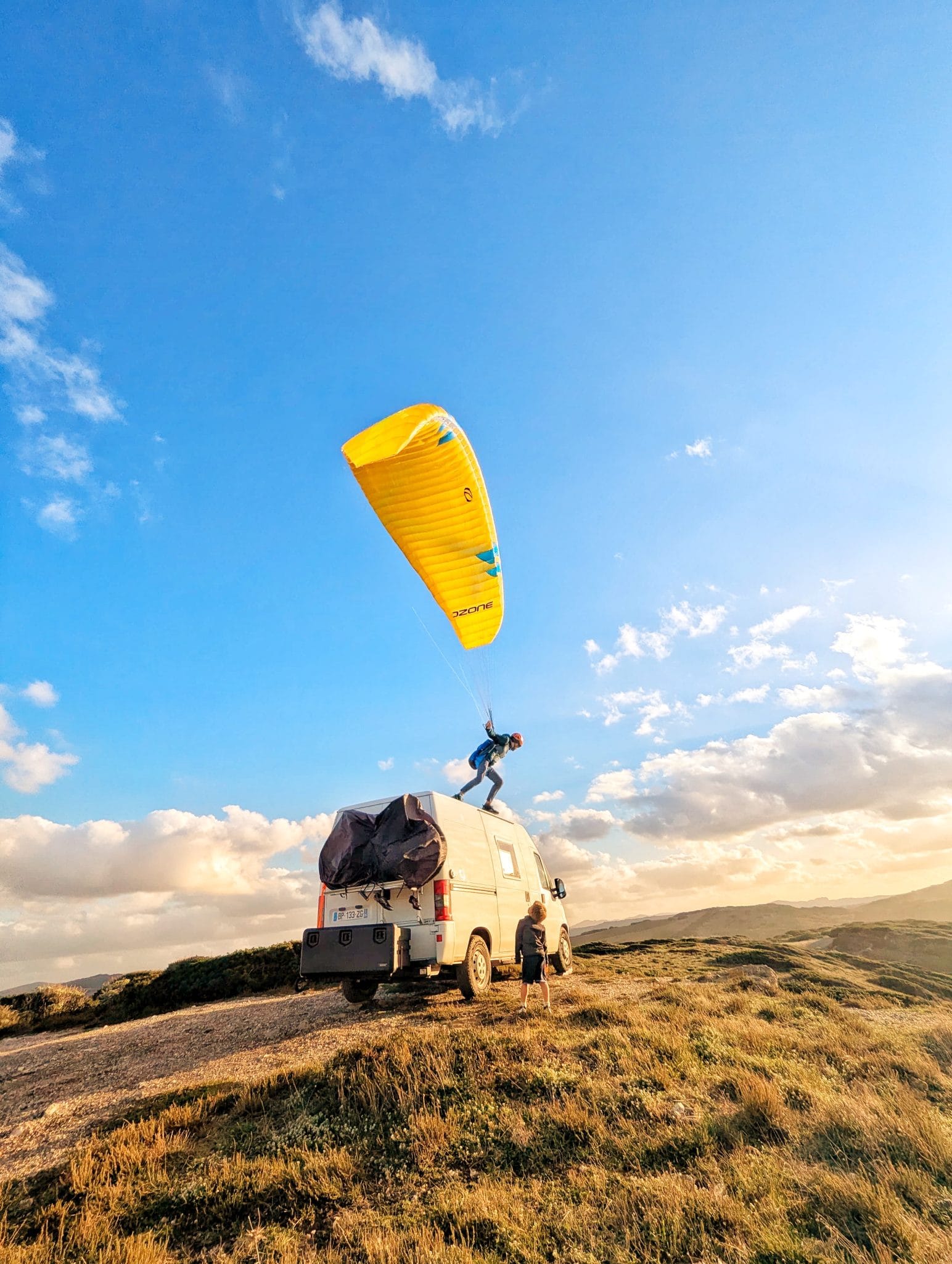
Paraglider pilot suspended in their harness at launch, golden late afternoon light
Frequently asked questions

Your questions about the paragliding harness

Type, protection, weight, maintenance: the most useful answers before choosing.

Is the harness mandatory for paragliding?

Yes, it's essential equipment: it connects the pilot to the wing and incorporates the back protection. It responds to the EN 1651 standard and receives the reserve parachute container. For a baptism, the school provides a tandem harness set up by the instructor; when flying solo, it is part of your equipment.

Seat board or cocoon harness: which to choose?

La Saddle pad is stable, comfortable and reassuring: ideal for starting out and flying at your home site. The cocoon, in a reclined position, is more aerodynamic and comfortable on long flights: reserved for cross-country and experienced pilots. For hike-and-fly, a lightweight harness with leg straps is preferred.

Back protection: foam or airbag?

The two protect effectively. mousse is always ready, simple and reliable. The'airbag inflates with relative wind after take-off: good absorption for reduced weight, but it needs to be inflated. Some harnesses combine both. The choice depends on your practice and your level.

How much does a paragliding harness weigh?

Depending on the type, expect about 2 to 6 kg. A lightweight hike-and-fly harness weighs under 2kg, while a comfortable pod harness with an airbag can be around 5-6kg. The weight is chosen according to your practice: light for hiking, more protective for site and distance flying.

Is a harness needed for a paragliding tandem flight?

No, you don't need to bring anything. For a Tandem paragliding, The school provides all the equipment: a comfortable and secure passenger harness, adjusted by the State-diplomated instructor, as well as the helmet and the wing. The harness only becomes your purchase during training towards autonomy.

How long does a fifth wheel last?

Well maintained, a saddle lasts for many years, but straps, buckles and padding age. Have it checked after a shock (Compressed foam, weakened stitching). Regularly inspect anchor points and emergency container, and store it dry, away from sunlight.

Written by the team Ailéments — paragliding instructors & canyoning

Paragliding school based in Gréolières (06) since 2013. Our State-qualified instructors (DEJEPS) fit passengers into harnesses and train pilots every day: choosing, adjusting, and maintaining equipment are all part of our profession.

DEJEPS Tutors Since 2013 FFVL Affiliates +1070 5/5 reviews
The essentials

Paragliding harness: what you need to know

Four benchmarks for choosing without making a mistake, from the first flight to autonomy.

1

The type follows the practice

Board to get started and fly on site, cocoon for the cross country, Thigh-high boots/reversible For hike-and-fly. Always in harmony with his wing.

2

Mousse or airbag, both protect

La mousse is always ready; the'airbag is lighter but needs.

3

Fit is everything

Good Size and careful.

4

We'll get it checked after a shock.

Protection can be reduced without it being noticeable. Regular inspection, dry storage. On a descent, Ailéments supplies and takes care of everything.

Fancy a flight before investing?

A comfortable harness adjusted just for you, an approved helmet, a checked wing and a state-qualified instructor: for your first tandem jump on the Côte d’Azur, you don’t need to bring a thing. We take care of everything; you just enjoy the flight.

Book my paragliding baptism